In 2019, Manchester City launched a rebuilt mobile app. Within two years, it reached 3 million downloads and became the club's single largest owned media channel — bigger than their email list, bigger than any social platform they controlled. Revenue from in-app purchases, ticket sales through the app, and app-driven merchandise orders grew 30% year over year.
That story captures a shift that has reshaped how sports clubs think about fans. The broadcast era treated fans as viewers. The social media era treated them as followers. The current era treats them as participants — people who want to interact with the club, not just watch it.
This article breaks down what "digital fan engagement" means in practice, which platforms deliver results, and where clubs waste money on technology that sounds impressive but changes nothing.
Why Digital Engagement Matters More Than Attendance
A typical football club plays 25-30 home matches per season. A basketball team plays 41. That means fans spend roughly 50-80 hours per year in the stadium. The other 8,680+ hours, the club competes with Netflix, social media, other sports, and everything else for a sliver of attention.
Digital platforms extend the relationship beyond matchday. They give the club a direct line to fans — no algorithm filtering reach, no platform taking a cut. And they generate data that makes every commercial decision smarter.
PwC's Sports Survey 2024 found that 72% of sports industry leaders ranked "direct-to-fan digital channels" as their top strategic priority, up from 49% in 2020. The shift accelerated during the pandemic, when clubs with strong digital platforms maintained fan engagement while those without them went quiet for months.
The Manchester City App: A Model for Owned Media
Manchester City's Cityzens platform, rebuilt with input from their in-house digital team and partners at SAP, does several things that distinguish it from the generic "club app" template:
Personalized content feeds. The app serves different content to different fans based on their behavior. A fan who watches every women's team match sees women's team content first. A fan who buys merchandise frequently sees new product drops. This sounds simple, but most club apps still show the same feed to everyone.
In-app matchday experience. During matches, the app delivers real-time stats, multiple camera angles, and interactive polls. Fans in the stadium use it for food ordering, wayfinding, and seat upgrades. Fans at home use it as a second screen alongside the broadcast.
Loyalty integration. The Cityzens rewards program lives inside the app. Fans earn points for attending matches, buying merchandise, engaging with content, and referring friends. Points unlock experiences — training ground tours, player video calls, priority ticket access. The program reported 1.2 million active members by 2023.
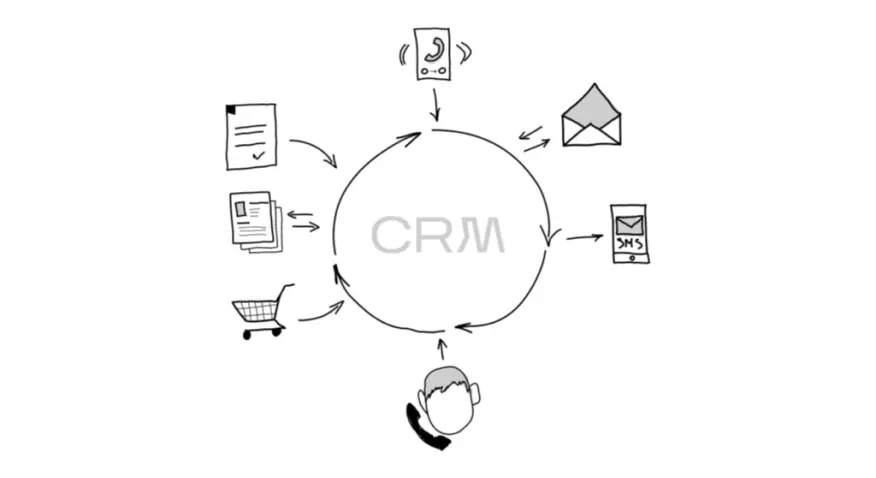
Data flywheel. Every interaction in the app feeds back into Manchester City's CRM. The club knows which fans are highly engaged, which are drifting, and what content or offers might re-engage them. This data also makes sponsorship deals more valuable — City can tell a sponsor exactly how many fans in a specific demographic engaged with branded content.
The lesson from City isn't "build an expensive app." It's that the app works because it provides genuine value to fans, which makes them use it, which generates data, which makes the club smarter. Remove any part of that loop and the app becomes a download that sits unused.
NBA League Pass: Redefining the Broadcast Relationship
The NBA took a different approach to digital engagement by attacking the broadcast model itself. NBA League Pass — the league's direct-to-consumer streaming service — has evolved from a simple subscription product into a platform that changes how fans watch basketball.
Granular access. Fans can purchase a single game, a team package, or the full league. In 2023, the NBA introduced a "fourth quarter pass" — access to the final quarter of any live game for a reduced price. This brought in casual fans who wouldn't pay full price but wanted to catch the end of a close game.
Interactive viewing features. League Pass added multi-game viewing (watch four games simultaneously), customizable stats overlays, and alternative commentary tracks including player-hosted broadcasts. During the 2024 season, the NBA tested real-time predictive challenges — "Will LeBron score in the next 2 minutes?" — with fans competing for points and prizes.
Creator economy tie-in. The NBA licensed short-form highlight clips to creators, turning fan-made content into a marketing channel instead of fighting it with takedowns. In 2023, NBA-related content on TikTok generated over 15 billion views. Rather than monetize those views directly, the league used them as a funnel to League Pass subscriptions.
Data-driven pricing. The NBA experiments with dynamic pricing for League Pass based on game attractiveness, time slot, and individual viewing history. A fan who watched every Golden State game last season might see a discounted Warriors package at the start of the next season.
The NBA's digital engagement revenue (League Pass, NBA App, NBA Store online) reached an estimated $1.5 billion in 2024, according to Sportico. That revenue stream barely existed 15 years ago.
Bundesliga AR and Second-Screen Experiences
The German Football League (DFL) has pushed augmented reality and second-screen features further than most sports organizations.
Bundesliga AR app. Launched in partnership with AWS, the app overlays real-time match statistics onto a live camera view of the pitch. Point your phone at the field and see player speeds, passing networks, and expected goals data rendered visually on screen. During the 2023-24 season, the app averaged 180,000 active users per matchday.
Stats-driven storytelling. The DFL's match broadcasts integrate AI-generated graphics that highlight tactical patterns in real time — pressing intensity, defensive shape, buildup play sequences. These graphics feed into the Bundesliga app and website as post-match analysis content, extending the conversation well beyond the 90 minutes.
Fantasy and prediction games. The official Bundesliga fantasy game drew 1.4 million registered players for the 2023-24 season. Fantasy participants watch more matches, consume more content, and spend more on merchandise than non-participants — a pattern consistent across every league that has studied the correlation.
Stadium connectivity. Several Bundesliga stadiums, including Borussia Dortmund's Signal Iduna Park, deployed high-density Wi-Fi and 5G networks specifically to support in-stadium digital experiences. Fans can order food to their seat, watch instant replays from multiple angles on their phone, and participate in stadium-wide interactive moments (LED light shows coordinated with phone screens).
The DFL's approach reflects a belief that data and technology should make football more interesting to watch, not just more convenient to consume. Their chief digital officer told SportsPro in 2023: "We are not a technology company. We are a football company that uses technology to make football better."
FC Barcelona: Tokenized Fan Engagement
FC Barcelona took a more experimental route with digital engagement, launching Barça Fan Tokens ($BAR) through the Socios platform in 2020.
What the tokens actually do. Token holders vote on minor club decisions — the design of artwork in the dressing room, the song played after goals, the message on the captain's armband for a specific match. They also access exclusive content, gamified experiences, and VIP rewards.
The financial results. Barça raised over $1.3 million from the initial token sale. The ongoing secondary market trading generates licensing revenue for the club. By 2023, over 600,000 fans held $BAR tokens globally.
The controversy. Fan groups criticized tokenized engagement as a monetization gimmick that gives no real governance power. The Advertising Standards Authority in the UK flagged crypto-fan-token promotions for misleading advertising. Several clubs that launched fan tokens saw engagement drop sharply after the initial hype.
The Barcelona case illustrates a tension in digital fan engagement: fans want meaningful participation, not the appearance of it. Voting on a dressing room mural feels different from voting on ticket pricing or transfer budgets. Clubs that use digital tools to give fans genuine agency build lasting engagement. Clubs that use them to simulate agency build resentment.
What Actually Works: Patterns Across Successful Platforms
After studying how dozens of clubs and leagues approach digital fan engagement, clear patterns emerge in what succeeds and what doesn't.
Successful platforms share three traits:
They solve a real problem for the fan. Manchester City's app helps fans navigate matchday, find relevant content, and earn rewards. NBA League Pass lets fans watch basketball on their terms. The Bundesliga AR app makes matches more interesting to follow. Each delivers value that fans can feel immediately.
They create a data loop. Every fan interaction feeds back into the club's understanding of its audience, which improves future interactions. This loop is what separates a fan engagement platform from a static website. Without the data loop, you're broadcasting. With it, you're conversing.
They integrate with commerce. The best platforms don't just engage fans — they make it easy to buy. In-app ticket purchases, one-tap merchandise orders, food delivery to your seat. Reducing friction between "I want this" and "I have this" drives revenue that justifies the technology investment.
Unsuccessful platforms share three traits:
They're built for the club, not the fan. Apps that exist primarily to push notifications and promotions get uninstalled quickly. If the app doesn't offer something the fan can't get elsewhere, it won't retain users.
They chase technology trends. VR match experiences, NFTs, metaverse stadiums — these grabbed headlines but generated little sustained engagement. The technology should serve the fan experience, not the press release.
They operate in isolation. A loyalty app that doesn't connect to the ticketing system. A content platform that doesn't inform the CRM. A fantasy game that doesn't link to ticket offers. Disconnected tools create disconnected experiences.
Building a Fan Engagement Platform: Practical Decisions
For clubs planning or upgrading their digital fan engagement strategy, here are the decisions that matter most.
Build vs. Buy
Building a custom app gives you full control and unique features. It also costs 500K-2M EUR upfront and requires a permanent development team of 3-8 people. Manchester City can afford this. Most clubs cannot.
Buying a white-label platform (Fanatics, Pavilion, YinzCam, Clubcast) gets you to market in 8-12 weeks at a fraction of the cost. You sacrifice uniqueness but gain speed and proven technology. Clubs in the second and third tiers of European football almost always benefit more from white-label solutions.
The middle path: buy the platform, build the integrations. Use a white-label app as the foundation but invest in connecting it deeply with your CRM, ticketing system, and content management. The integrations create the data loop that makes everything else work.
Content Strategy
A fan engagement platform without fresh content is a dead app. The clubs that sustain engagement invest in three content types:
Behind-the-scenes access. Training footage, dressing room moments, player interviews that feel informal rather than scripted. Tottenham Hotspur's Amazon documentary drove a 40% spike in Spurs app downloads during its run — proof that fans crave authenticity.
Interactive content. Polls, predictions, quizzes, fantasy games. These generate engagement data and give fans a reason to open the app between matches. The NBA's in-game prediction challenges saw 65% participation rates among active app users during the 2024 season.
User-generated content. Let fans share photos from matches, vote on goals of the month, submit questions for player Q&A sessions. This reduces the club's content production burden while increasing fan investment in the platform.
Monetization Without Alienation
The hardest balance in fan engagement: generating revenue without making fans feel like walking wallets.
Tiered access works. Free content for everyone, premium content for subscribers, exclusive experiences for top-tier members. The key is making the free tier genuinely valuable. If fans feel the free version is just an ad for the paid version, trust erodes.
Contextual commerce works. Offering a jersey during a match when a player just scored feels like good service. Pushing a jersey every time the fan opens the app feels like spam. Timing and relevance separate helpful from annoying.
Intrusive monetization backfires. Interstitial ads, paywalled basic features, and aggressive push notifications destroy engagement faster than any content strategy can build it. According to a 2023 study by Braze, sports apps that increased push notification frequency by more than 50% saw a 28% rise in uninstalls within 90 days.
Where This Goes Next
Three trends will shape digital fan engagement over the next two to three years:
AI-powered personalization at scale. Current personalization relies mostly on rules ("if fan attended 3+ matches, show premium content"). The next generation uses machine learning models trained on millions of fan interactions to predict what each individual fan wants to see, when they want to see it, and through which channel. The NBA and Premier League clubs are already testing these systems.
Stadium as platform. 5G networks, IoT sensors, and edge computing will turn stadiums into responsive environments. Imagine seat-level offers based on what section you're in, or AR overlays that let you see real-time stats by pointing your phone at any player on the pitch — not as a gimmick demo, but as a standard matchday feature.
Community-driven engagement. The most passionate fans don't just consume — they create. Clubs that build tools for fan communities (group ticket buying, supporter group coordination, fan-led content platforms) will tap into engagement that no algorithm can manufacture. Celtic FC's supporter section coordination through their app, which helped organize tifos and group activities, drove measurably higher matchday atmosphere ratings from neutral observers.
The Bottom Line
Digital fan engagement works when it starts from a simple question: "What would make a fan's experience with this club better today?" Not "How do we monetize our audience?" and not "What technology trend should we adopt?"
Manchester City built an app that helps fans navigate matchday and rewards their loyalty. The NBA built a platform that lets fans watch basketball however they want. The Bundesliga built tools that make matches more interesting to follow. Each started with the fan's experience and worked backward to the technology.
The clubs that will win the next decade of fan engagement are not the ones with the biggest technology budgets. They're the ones that understand their fans well enough to build something worth opening every day.
If your club sells its own tickets and wants the fan data that comes with them, Revanta Loyalty combines ticketing, season passes, loyalty and push or email campaigns in one fan engagement platform.